Endovascular RF Ablation & Phlebectomies
After a consultation, and ultrasound scan of your veins, it may be determined that the most suitable treatment for you is to undergo is radiofrequency (RF) ablation of your varicose vein(s). This is undertaken as an outpatient procedure, meaning that you are able to stand and walk immediatly after your treatment, and you may usually return to normal activities the following day.

Our Range of Endovascular RF Ablation & Phlebectomies Treatments:
Book Online Today

-
Initial Consultation
£195.00(including colour duplex ultrasound scan)

-
VEINCLEAR RFA One Leg
£1,950.00 -
VEINCLEAR RFA Both Legs
£2,850.00 -
VEINCLEAR RFA plus Phlebectomies One Leg at same Procedure
£2,500.00 -
VEINCLEAR RFA plus Phlebectomies Two Legs at same Procedure
£3,495.00 -
Phlebectomies as a Primary Treatment One Leg
£1,250.00(plus £60 stocking charge if required)
-
Phlebectomies as a Primary Treatment both Legs
£1,995.00(plus £60 stocking charge if required)
About Our Endovascular RF Ablation &
Phlebectomies Treatment:
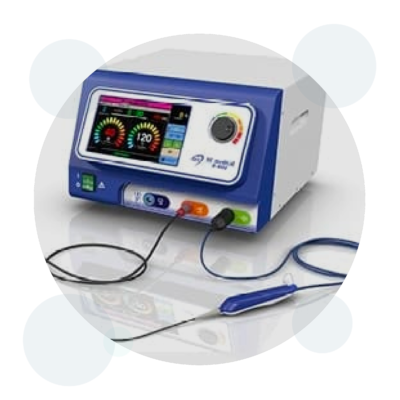
During the treatment, Mr Perricone uses an ultrasound scanner to locate the problematic vein, and an injection of local anaesthetic is administered to an area of skin above the vein. A small cut is then made into the skin above the vein, and a sheath (narrow plastic tube) is placed into the vein. A VeinCLEAR RF catheter is then inserted through this sheath and along the vein. Further local anaesthetic is then injected along the whole length of the vein to be treated. The tiny catheter then delivers RF energy to the vein wall in the form of heat. This heat causes the collagen within the vein wall to shrink, and the vein then closes and blood is then rerouted to other, healthier veins.
Once the treatment is completed and the full length of the problematic area within the vein has been closed, a compression stocking is placed on the treated leg, and this must be worn for a period of at least two weeks, although it may be removed in the evening when retiring to bed.

Frequently Asked Questions:
How soon will I notice an improvement in my symptoms?
Many patients notice an immediate improvement and relief of symptoms such as leg heaviness, pain and fatigue, afte RF ablation, however the full benefits of this procedure may take 1-2 weeks to be seen.
Is there any swelling, bruising or scarring after this procedure?
Patients report minimal to no scarring, swelling or bruising following this treatment. The compression stocking must be worn as advised to aid this.
How does RF ablation treatment differ to vein stripping?
In vein stripping, incisions are made in both the groin and calf on the affected leg, and a tool is threaded through the diseased vein before it is then pulled (stripped) out of the leg. During RF ablation, only one small puncture is made in to the skin to access the affected vein, before the vein is closed and left in place within the leg. Using this minimally invasive approach eliminates the bruising and pain which is normally associated with vein stripping surgery.
What if I need the vein for bypass surgery in the future?
This procedure is only used for treating diseased and problematic veins, which would not be appropriate to be used for bypass surgery. Should bypass surgery ever be required, physicians can use other healthy vessels.
View our latest news stories:

Thread Vein & Varicose Vein Treatment in Lancashire: When to See a Vein Specialist
Vein treatment for thread veins and varicose veins is increasingly sought after as more people recognise that visible vein changes are not just cosmetic but can also indicate underlying circulation issues. Modern vein care focuses on accurate diagnosis, symptom...
Anti-Wrinkle Injections in Lancashire: What Results Can You Expect?
Anti-wrinkle injections are one of the most requested aesthetic treatments in the UK - and for good reason. When administered correctly by a qualified medical professional, they produce natural, noticeable results with minimal downtime and a safety profile that has...
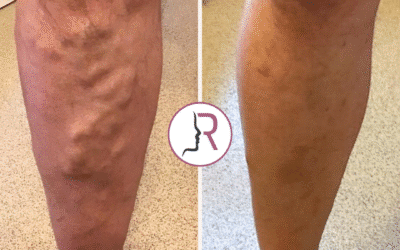
Rediscover Confidence and Comfort with Varicose Vein Treatments at RejuvaMed!
At RejuvaMed Health and Wellness, we understand that varicose veins are more than just a cosmetic concern – they can significantly impact your comfort, confidence, and in some cases, overall quality of life. That’s why we’re proud to offer advanced, minimally invasive...