
Varicose Vein Injections
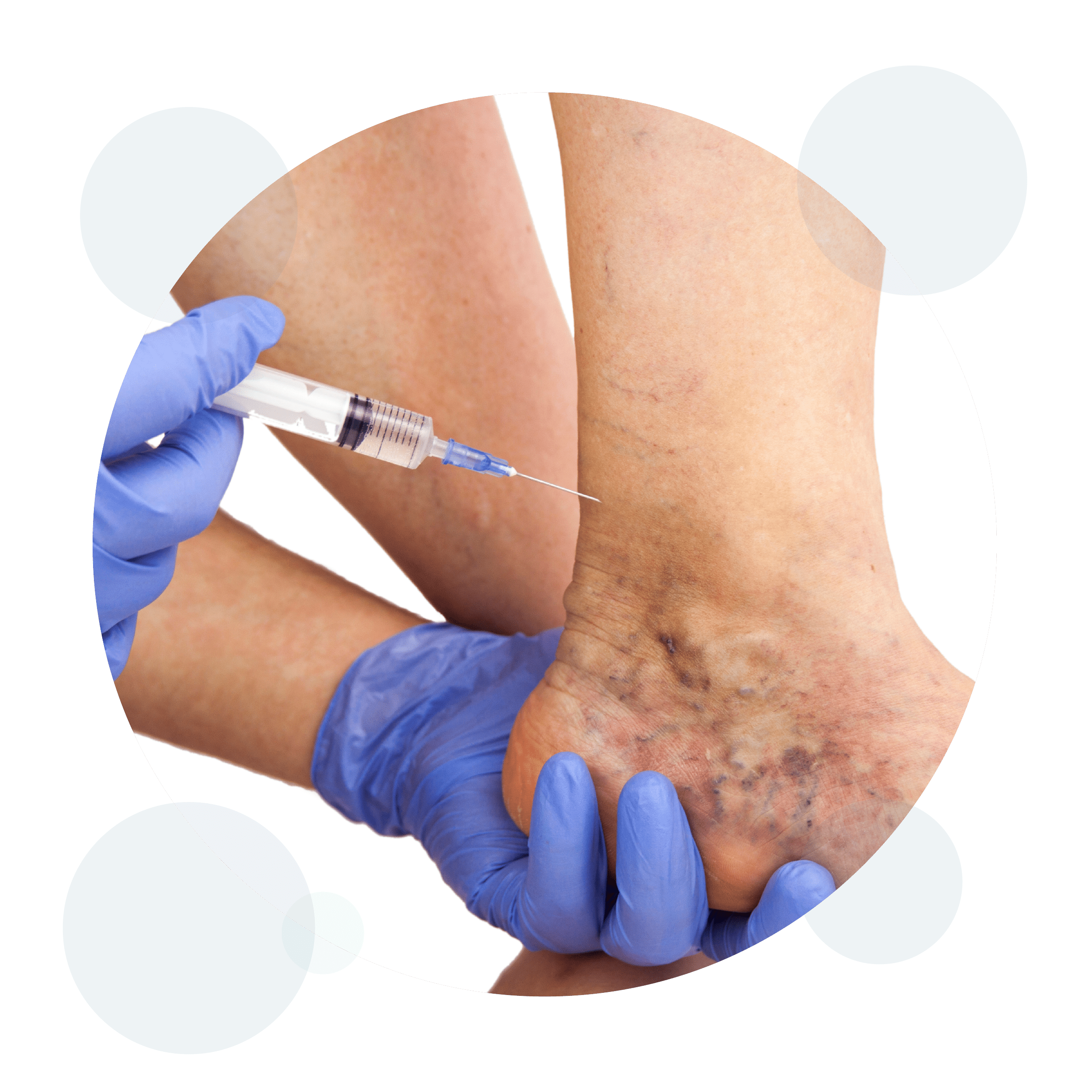
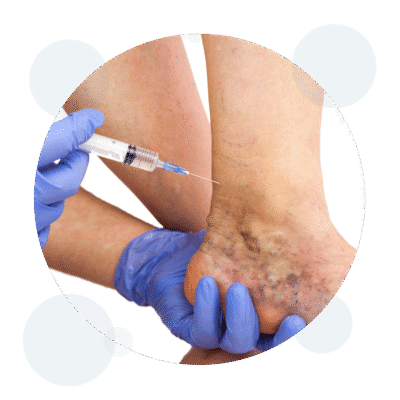
Varicose Vein injection sclerotherapy is a common treatment for various types of varicose vein. A substance called a sclerosant is injected into the vein through a fine needle. The sclerosant irritates the vein lining causing the vein to go into spasm and contract. It also causes any blood still in the vein to clot. This reaction causes inflammation around the vein which is destroyed and eventually absorbed by the body.
Our Range of Injection Sclerotherapy Treatments:
Book Online Today

-
Initial Consultation
£195.00(including colour duplex ultrasound scan)

-
Foam sclerotherapy as a follow up treatment after RFA or VenaSeal™
From: £470.00(plus £60 stocking charge if required)
-
Foam sclerotherapy as a primary treatment
From: £850.00(plus £60 stocking charge if required)
-
Phlebectomies as a follow up treatment after RFA or VenaSeal™
£710.00(plus £60 stocking charge if required)
-
Sclerotherapy for Reticular Veins
From: £470.00(plus £60 stocking charge if required)
Types of Sclerotherapy
Standard (liquid) Sclerotherapy
In this varicose vein injections treatment, sclerosant is injected directly in to the vein. Pressure is applied to the injected vein using a cotton or foam pad and often an elastic stocking is used to compress the vein. This is suitable for most small varicose veins where there is no underlying problem with the main draining veins of the skin, or where the main veins have been already treated and the aim is to treat any residual (or remaining) varicose veins. We don’t commonly use this treatment method at RejuvaMed.
Foam Sclerotherapy
This is a technique for treating larger varicose veins which we use much more frequently. Most commonly we use this treatment to treat residual varicose veins after radiofrequency (RF) ablation. It can also be used to treat the main trunk veins as a first line treatment, but RF ablation usually provides a more reliable and long-lasting result.
The sclerosant is mixed with air during varicose vein injections to form a foam. This is injected in to the varicose veins, usually under ultrasound guidance to ensure the foam spreads through the target vein. The vein becomes inflamed and then is absorbed by the body over several weeks. A compression stocking is usually worn for the first week following treatment which speeds up the process.
Varicose vein injections involve the administration of a sclerosant in to the problematic veins, which causes the internal lining of those veins to become damaged and causes clotting within the vein. Over time your body will naturally destroy those veins and they will disappear, and the blood flow is naturally redirected through other, healthier veins within the body.
Depending on the severity of the problematic veins, two or three treatment sessions of varicose vein injections may be required, and occasionally more sessions will be needed to achieve the desired results.
Following treatment compression pads and bandaging are applied to the treated area and a surgical compression stocking is required to be worn for a period of time, which will be advised by Mr Perricone. It is not essential to wear compression stocking(s) overnight and they may be removed for showering and bathing. If you find the stocking comfortable to wear and are able to continue wearing it for a little while longer after treatment then this may be done, and will be helpful in aiding your treatment results from varicose vein injections and assist in further healing.
Frequently Asked Questions:
Am I suitable for foam sclerotherapy?
Mr Salaman will need to see the extent of the varicose veins and will usually perform a duplex ultrasound scan of the vein system to define the anatomy of your particular varicose veins. He will then be able to discuss treatment options. Foam sclerotherapy is usually reserved for treating larger varicose veins which are unsuitable for radiofrequency ablation.
How should I prepare for my treatment?
No specific preparation is required and people can walk in and walk out as normal as well as being able to drive to and from the clinic. After the treatment you will be wearing a tight stocking with pads underneath, so wearing loose fitting trousers or a long skirt is advisable. It is recommended to avoid international travel or prolonged inactivity for at least 6 to 8 weeks following treatment as the risk of deep vein thrombosis is increased.
What will the procedure involve?
Sclerosant will be mixed with air to form a foam which is then injected in to the target vein. This is performed under ultrasound guidance to endure the foam filled the vein to be treated. The injection is almost painless though the foam may sting slightly as it is injected. The entire procedure will usually take 15 to 30 minutes.
Following the injections the vein needs to be compressed by a cotton or foam pad and a strong elastic stocking worn. This should be worn for at least a week until the expected inflammation and lumpiness subsides. Normal activity and exercise can continue, including driving.
It can take several weeks for inflammation to subside. At a review appointment, the veins will be reassessed and further injections may be required to achieve the desired result.
What are the risks?
Common complications are soreness, bruising and inflammation. These can be treated by wearing the elastic stocking, taking standard anti-inflammatories such as ibuprofen and continuing to exercise and staying active. Some pigmentation of the skin is common and usually resolves after several weeks.
Occasionally, skin pigmentation can be permanent. Rarely the skin can be damaged and ulcerate creating a wound. This will heal but can leave a scar. Very rarely the treatment can cause a deep vein thrombosis.
View our latest news stories:

Thread Vein & Varicose Vein Treatment in Lancashire: When to See a Vein Specialist
Vein treatment for thread veins and varicose veins is increasingly sought after as more people recognise that visible vein changes are not just cosmetic but can also indicate underlying circulation issues. Modern vein care focuses on accurate diagnosis, symptom...
Anti-Wrinkle Injections in Lancashire: What Results Can You Expect?
Anti-wrinkle injections are one of the most requested aesthetic treatments in the UK - and for good reason. When administered correctly by a qualified medical professional, they produce natural, noticeable results with minimal downtime and a safety profile that has...
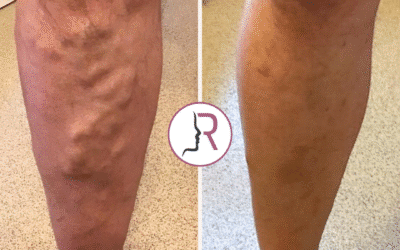
Rediscover Confidence and Comfort with Varicose Vein Treatments at RejuvaMed!
At RejuvaMed Health and Wellness, we understand that varicose veins are more than just a cosmetic concern – they can significantly impact your comfort, confidence, and in some cases, overall quality of life. That’s why we’re proud to offer advanced, minimally invasive...