
Skin tags are small, soft, harmless growths that hang from the skin, usually on the neck, under the arms, on the eyelids or in skin folds, and they do not need to be removed unless they bother you. Because removal is considered cosmetic, the NHS says you cannot get skin tags removed on the NHS, so people who want them gone generally choose a private clinic. The most important step is making sure the growth really is a skin tag before anything is done.
This guide explains what skin tags and milia are, when to see your GP first, how removal works at a clinic such as RejuvaMed in Clitheroe, and the questions worth asking before you book. It is general information, not medical advice.
What are skin tags?
The NHS describes skin tags as soft, skin-coloured growths that are very common, usually small and harmless. They are usually the same colour as your skin or a little darker, and they can look as if they are hanging off the skin.
Skin tags often grow where skin rubs together or folds, which is why they usually appear:
- On the neck
- Under the arms
- On the eyelids
- Under the breasts
- Around the bottom
Anyone can get skin tags. The NHS notes that you may be more likely to develop them if you are pregnant, have type 2 diabetes, or are living with obesity or skin folds that rub together.
Skin tags, moles and warts: knowing the difference
Skin tags can be confused with moles or warts, but they are different. Warts are usually firm, raised and rough, and are more commonly found on the hands and feet. Moles are usually flat and round or oval, and are usually found on skin exposed to the sun.
This matters because a mole or an unusual lump should be assessed by a doctor rather than treated cosmetically. If you are unsure what a growth is, or it has changed, ask a GP to look at it first. At RejuvaMed, skin lesions, moles, lumps and bumps can be assessed through our separate private dermatology service with Dr Raza, a GP with a special interest in dermatology.
When to see a GP about a skin tag
The NHS advises seeing a GP if a skin tag:
- Gets bigger
- Becomes painful
- Starts bleeding
- Develops into lots of skin tags
These are not necessarily signs of anything serious, but they are reasons to get the growth checked before considering removal.
What are milia?
Milia are small, blister-like bumps on the skin. They are commonly seen in newborn babies, but anybody can be affected at any age. They are harmless, but many people find them unsightly, particularly on the face.
Why you should not remove a skin tag yourself
Home kits and online “hacks” for removing skin tags are widely sold, but the NHS is clear: do not try to remove a skin tag yourself unless a GP recommends it. The risks include infection, bleeding and scarring. A trained practitioner can check that the growth is suitable for removal, use a controlled method and give you proper aftercare advice.
How skin tag removal works
The NHS lists three common ways skin tags are removed: using heat, by freezing them, or by cutting them off with a surgical blade or scissors. The NHS also notes that once a skin tag has been removed, it does not usually return.
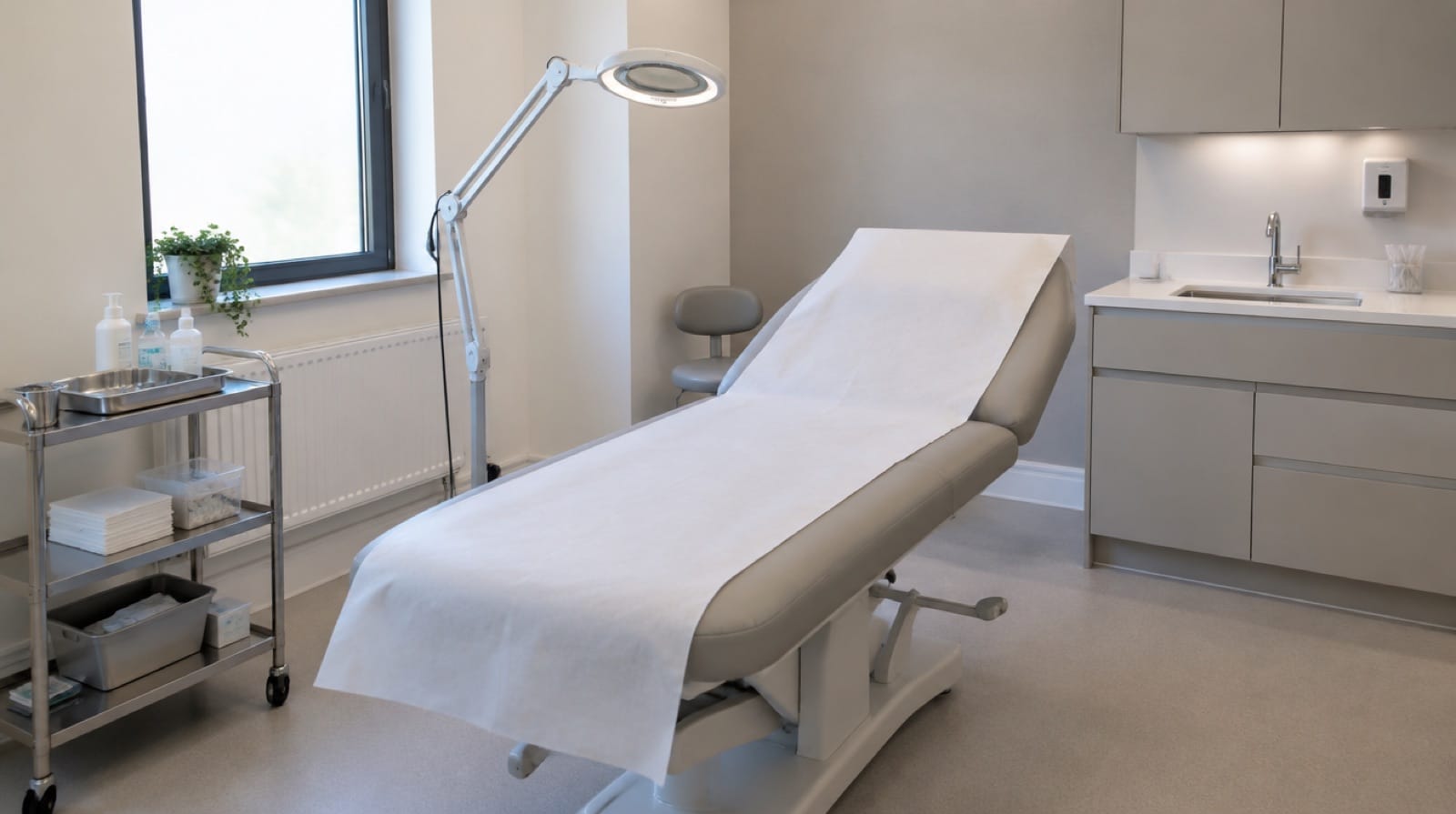
At our Clitheroe clinic, skin tags and milia are removed by our aestheticians using the ThermaVein system, which cauterises the tag where it attaches to the skin. The tag then shrinks and falls away naturally. The number of sessions depends on how many skin tags or milia you would like treating, and your practitioner will explain what to expect at your appointment.
The NHS points out that removing skin tags can sometimes cause scarring or darker patches of skin (hyperpigmentation) where the tag was, particularly on black or brown skin. These effects are usually temporary but can sometimes be permanent, so it is worth discussing this with your practitioner beforehand.
Questions to ask before you book
Whichever clinic you choose, it is reasonable to ask:
- Who will carry out the treatment, and what training do they have?
- Will they check the growth before treating it, and what happens if it does not look like a skin tag?
- Which method do they use, and why is it suitable for the area being treated?
- What aftercare will you need, and who do you contact if you have a concern afterwards?
The NHS has helpful general guidance on choosing who will do a cosmetic procedure.
Skin tag and milia removal in Clitheroe
RejuvaMed is a CQC-registered clinic on Woone Lane in Clitheroe, welcoming patients from across the Ribble Valley and Lancashire. If you would like a skin tag or milia looked at and removed, our team will talk you through the process at your appointment and answer your questions. You can read more about skin tag and milia removal at RejuvaMed, or find directions and contact details for our Clitheroe clinic.
Frequently asked questions
Can I get a skin tag removed on the NHS?
No. The NHS considers skin tag removal a cosmetic procedure, so you will usually need to pay to have skin tags removed privately.
Are skin tags dangerous?
Skin tags are usually harmless. The NHS advises seeing a GP if a skin tag gets bigger, becomes painful, starts bleeding or develops into lots of skin tags.
Do skin tags grow back after removal?
According to the NHS, a skin tag does not usually return once it has been removed.
Is it safe to remove a skin tag at home?
The NHS advises against removing a skin tag yourself unless a GP recommends it, because of the risk of infection, bleeding and scarring.
Can you remove moles at the same time?
Moles and other lesions should be assessed by a doctor rather than treated as a cosmetic skin tag. At RejuvaMed, these are seen through our separate GP-led dermatology service.
In summary
Skin tags and milia are common and harmless, but they can still be a nuisance, especially on the neck, eyelids or face. Check with a GP if a growth has changed or you are unsure what it is, avoid home removal, and choose a trained practitioner who will assess the area before treating it. If you are in Clitheroe or elsewhere in Lancashire and would like to talk about skin tag removal, our team is happy to help.
